Deep-Sea Discoveries: Uncharted Life Forms Found
A recent expedition to the deepest parts of the ocean has uncovered several previously unknown species, shedding light on the extreme adaptations of life in abyssal zones.
Explore the latest breakthroughs in space, medicine, environmental science, and the fundamental laws of the universe.
The James Webb Space Telescope (JWST) continues to revolutionize our understanding of the cosmos. Recent observations have provided unprecedented detail on the formation of early galaxies, challenging existing cosmological models. Astronomers are now able to peer further back in time than ever before, analyzing the light from the universe's infancy. The telescope's infrared capabilities allow it to penetrate dust clouds that obscure the view for other instruments, revealing hidden stellar nurseries and the complex chemical compositions of exoplanet atmospheres. This data is crucial for understanding whether life could exist beyond Earth. Dr. Aris Thorne, lead researcher at the Astra Institute, stated, "We are witnessing the universe's autobiography unfold. Each image, each spectral analysis, adds a vital chapter to our cosmic story."
Beyond distant galaxies, JWST is also providing stunning views of nebulae and star-forming regions within our own Milky Way. These detailed images help scientists understand the lifecycle of stars, from their birth in vast clouds of gas and dust to their eventual explosive deaths. The complex interplay of gravity, radiation, and chemical reactions in these celestial nurseries is finally being mapped with incredible precision. This research not only satisfies our innate curiosity about the stars but also provides insights into the origins of elements that make up our planet and ourselves.

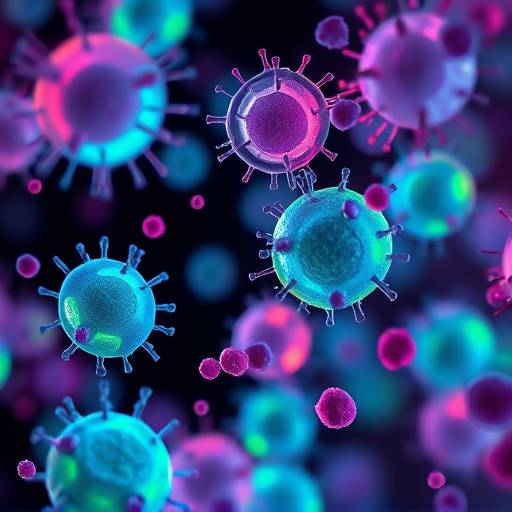
The field of medicine is experiencing a paradigm shift, largely driven by advancements in genetic engineering and personalized treatment. CRISPR-Cas9 technology, a revolutionary gene-editing tool, is rapidly progressing from laboratory research to clinical trials. Scientists are exploring its potential to correct genetic defects responsible for inherited diseases like cystic fibrosis and sickle cell anemia. The precision with which CRISPR can target and modify DNA offers hope for cures that were previously unimaginable. Dr. Lena Hanson, a bioethicist at the Meridian Medical Foundation, emphasizes, "The ethical considerations are paramount, but the potential to alleviate immense human suffering is a powerful motivator for responsible innovation."
In cancer research, the focus has shifted towards precision oncology. By analyzing the unique genetic mutations within a patient's tumor, oncologists can tailor treatments to be more effective and less toxic. Immunotherapies, which harness the patient's own immune system to fight cancer, are showing remarkable success rates for certain types of malignancies. Liquid biopsies, a non-invasive method to detect cancer DNA in blood, are also becoming increasingly sophisticated, allowing for earlier diagnosis and monitoring of treatment response. These combined efforts represent a significant step towards transforming cancer from a terminal illness into a manageable chronic condition.
The urgent need to address climate change and biodiversity loss has spurred innovation in environmental science. Researchers are developing novel strategies for carbon capture and storage, aiming to mitigate the impact of greenhouse gas emissions. Innovative agricultural practices, such as regenerative farming and vertical agriculture, are being explored to reduce land use, conserve water, and improve soil health. These methods not only contribute to food security but also help sequester carbon from the atmosphere.
Restoration ecology is gaining momentum, with projects focused on rewilding degraded landscapes and reintroducing native species. From coral reef restoration using artificial structures to large-scale reforestation initiatives, scientists are working to heal damaged ecosystems. Understanding the complex feedback loops within Earth's climate system is also a key area of research. Sophisticated climate models, powered by vast datasets and advanced computing, are helping policymakers make informed decisions about mitigation and adaptation strategies. The goal is not just to slow down environmental degradation but to actively reverse it, creating a more sustainable future for all life on Earth.
| Discipline | 2021 | 2022 | 2023 (Projected) |
|---|---|---|---|
| Space Exploration | 15% | 18% | 20% |
| Medical Research | 12% | 14% | 16% |
| Environmental Science | 10% | 13% | 15% |
| Artificial Intelligence | 25% | 28% | 30% |
| Quantum Computing | 18% | 22% | 25% |
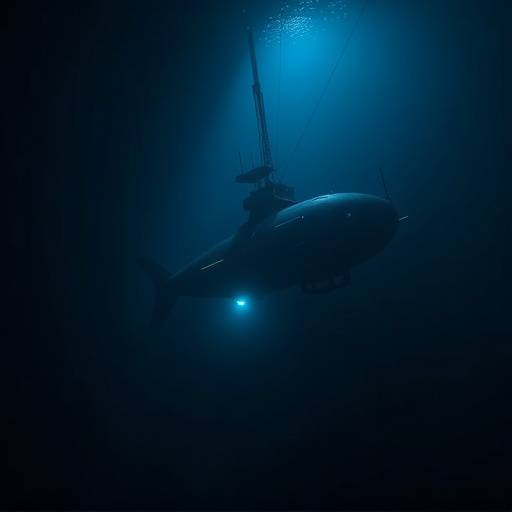
A recent expedition to the deepest parts of the ocean has uncovered several previously unknown species, shedding light on the extreme adaptations of life in abyssal zones.
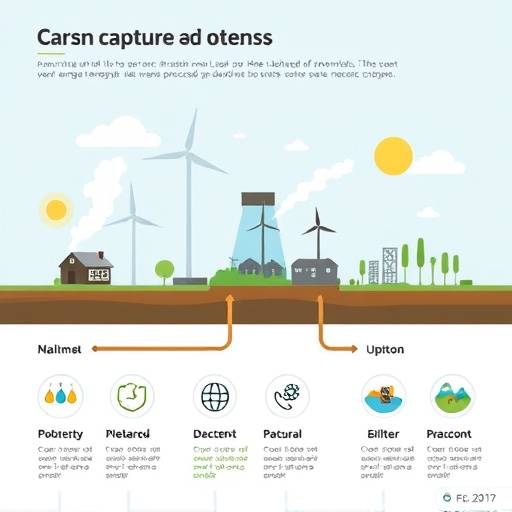
New materials and processes are being developed to efficiently capture and store atmospheric carbon dioxide, offering a crucial tool in the fight against climate change.

Researchers have unveiled a breakthrough in solid-state battery design, promising safer, more powerful, and longer-lasting energy storage solutions.
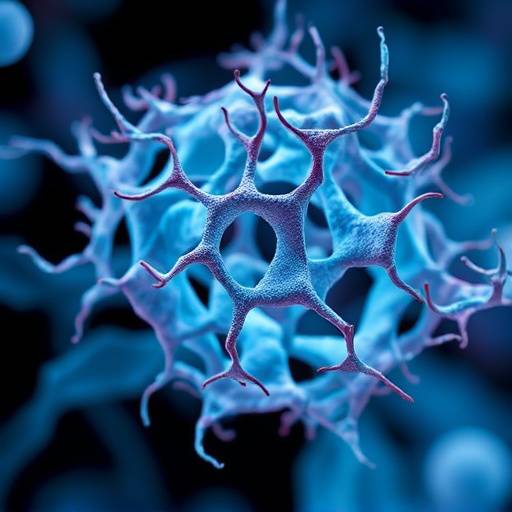
Breakthroughs in stem cell research and tissue engineering are paving the way for novel treatments for injuries and degenerative diseases.